A Historic Visit That Rewrote the Bilateral Relationship
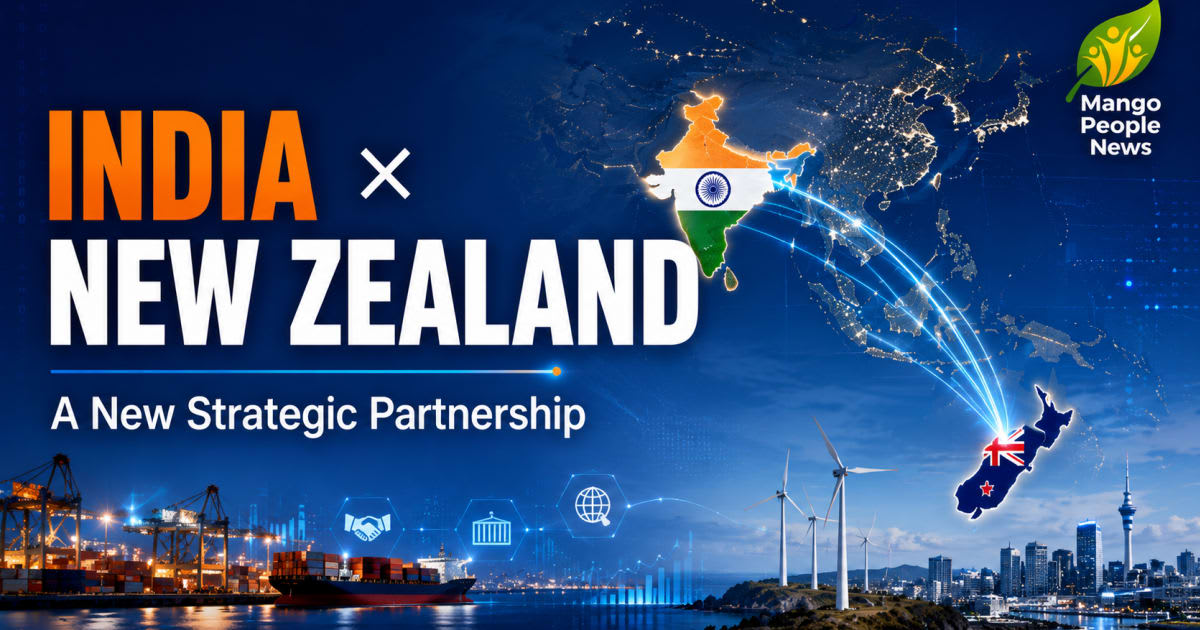
The announcement came during Modi's historic two-day state visit to New Zealand on July 10 and 11 — the first by an Indian Prime Minister in four decades. That gap in itself tells a story: two democracies, both English-speaking, both Commonwealth members, both increasingly aligned on Indo-Pacific security, and yet for forty years, the highest level of bilateral engagement had been at the margins of multilateral summits rather than a dedicated bilateral visit.
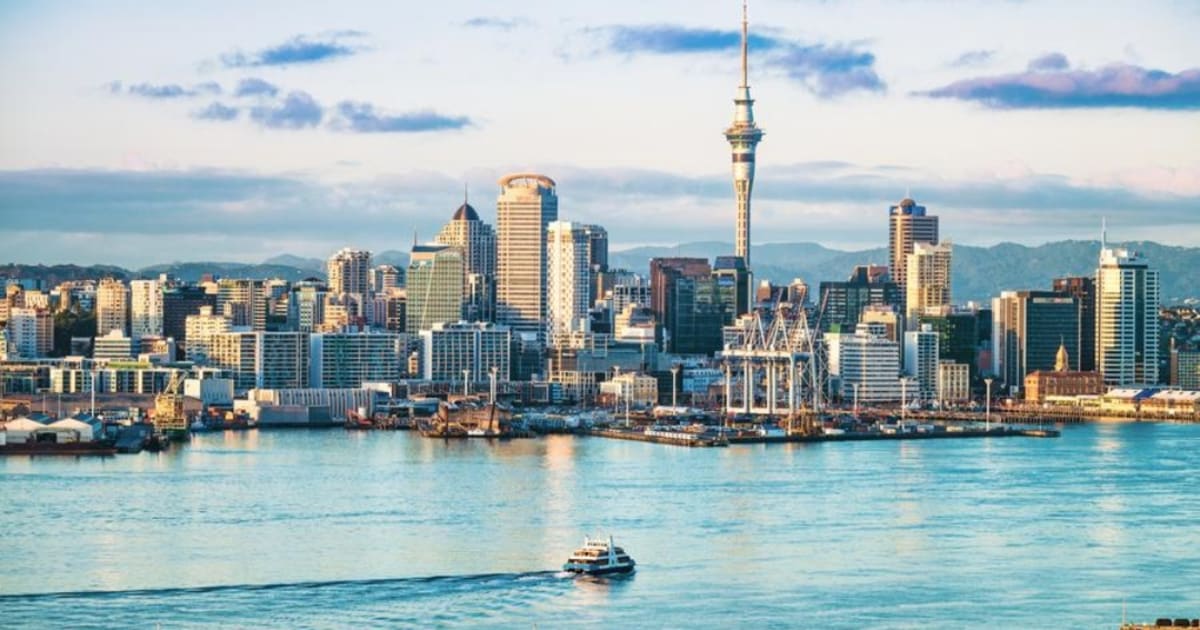
That changed in Auckland, where Prime Minister Modi and his New Zealand counterpart Christopher Luxon elevated the relationship to a Strategic Partnership — a diplomatic classification that carries specific commitments around regular high-level dialogue, structured cooperation frameworks, and coordinated positions on multilateral issues. It is not a military alliance or a treaty commitment, but it is a significant step above the routine bilateral relationship that preceded it.
Modi said on X: "This has been a great year for the India-New Zealand partnership. Earlier this year, our nations concluded a Free Trade Agreement in record time and now, we have elevated our ties to a Strategic Partnership. Next up, we wish to double bilateral trade by 2030!"
The reference to the Free Trade Agreement is significant context. India had spent years negotiating FTAs with major partners — with Australia, the UK, the EU, and others — to varying degrees of progress and frustration. The New Zealand FTA being concluded "in record time" reflects both the relative simplicity of the two economies' trade relationship and a deliberate political decision to move quickly. That speed matters because it signals genuine mutual intent rather than the years-long negotiating theatre that has characterised some India FTA processes.
The Strategic Partnership — What It Actually Means
Under the India-New Zealand Strategic Partnership and Roadmap to 2030, both nations elevated their relationship to a Strategic Partnership, strengthening cooperation in trade, defence, maritime security, tourism, culture, sports, agri-tech, people-to-people ties, as well as coordination on Indo-Pacific priorities and multilateral issues. The Roadmap to 2030 provides a strategic roadmap to guide structured implementation across relevant ministries and stakeholders for the next four years.
The phrase "Roadmap to 2030" deserves attention because roadmaps of this kind — when they are backed by specific ministry-level implementation plans rather than just political declaration — tend to have significantly better follow-through than the more common "joint communiqué" that gets issued after bilateral visits and quickly forgotten.
Both sides have set a target to double bilateral trade to NZD 7 billion — approximately ₹35,000 crore — by 2030 to boost economic ties and expand market access, in the context of the Free Trade Agreement.
According to Rubix Data Sciences, merchandise trade between India and New Zealand recorded a compound annual growth rate of 8% between FY22 and FY26, reaching US$1.155 billion. Doubling from that base to NZD 7 billion by 2030 requires roughly 25% annual growth — ambitious but not implausible given the FTA structure and the $20 billion investment commitment from New Zealand.
UPI Goes to New Zealand — The Digital Payments Deal Explained
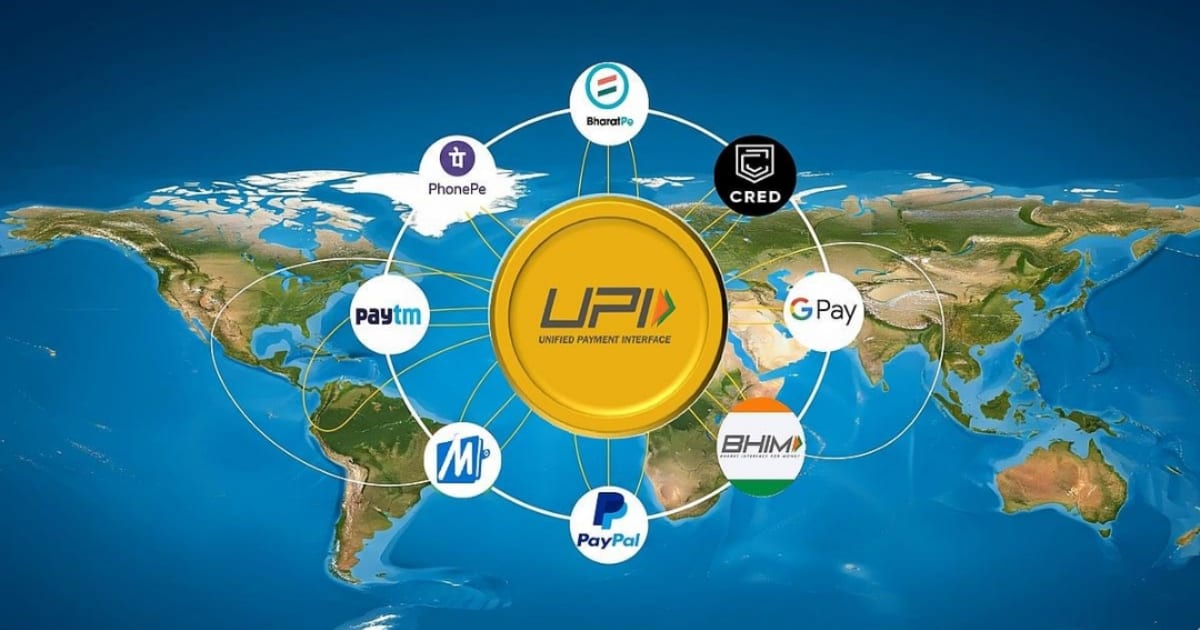
The single most talked-about outcome from the visit was the agreement to integrate India's Unified Payments Interface with New Zealand's domestic payment network — a move that, if implemented effectively, would allow Indians in New Zealand and New Zealanders transacting with India to use UPI as seamlessly as they use it domestically.
Modi said: "In the area of fintech, we are going ahead in connecting India's UPI and New Zealand's payment system." The proposed integration is expected to strengthen digital payment connectivity between the two countries while further extending the international reach of India's home-grown payment platform.
UPI's international expansion has been one of India's most successful pieces of soft power diplomacy over the past three years. The system is already linked with Singapore's PayNow, UAE's payment infrastructure, France (as part of broader European connectivity), and several countries across South Asia. New Zealand adds another English-speaking, high-income market to that network — one with a significant Indian diaspora that regularly sends remittances home and would benefit directly from frictionless cross-border payment.
The proposed partnership with New Zealand underscores India's efforts to position UPI as an internationally interoperable payment platform capable of supporting seamless digital transactions beyond its borders.
For Indian businesses and tourists travelling to New Zealand — and for New Zealand's growing Indian-origin population — the practical impact would be significant. Rather than managing foreign currency, international credit cards with foreign transaction fees, or remittance services that charge 2-4% per transfer, the UPI integration would allow near-instant, near-zero-cost transfers between the two countries.
$20 Billion Investment and Trade Target — The Economic Backbone
The agreement would provide a strong foundation for doubling bilateral trade, supported by New Zealand's commitment to invest US$20 billion in India. The $20 billion figure is substantial — larger than New Zealand's total merchandise trade with India over the past several years — and reflects confidence in India's growth trajectory across the sectors New Zealand has identified as priority investment areas: agriculture and food processing, dairy technology, renewable energy, infrastructure, and education.
New Zealand's dairy sector is globally recognised as among the most technically advanced in the world. India, despite being the world's largest milk producer, has significant room to improve dairy processing efficiency, cold chain infrastructure, and value-added dairy product manufacturing. A structured bilateral framework for dairy and agriculture technology transfer — with New Zealand investment backing that transfer — creates tangible economic value for Indian farmers and food processors in ways that are not always visible in the headline bilateral trade statistics.
Maritime Security — The Geopolitical Substance Behind the Trade Headlines
The geopolitical dimension of this visit is, in some ways, more consequential than the trade and technology agreements — even if it received less public attention. The Memorandum of Arrangement on Maritime Cooperation between the Ministry of Defence of India and the New Zealand Defence Force establishes a framework for enhanced maritime cooperation in the Indo-Pacific through dialogue, coordination, information exchange, and joint activities.
India and New Zealand have agreed to establish a Maritime Security Dialogue to strengthen cooperation, coordination and information exchange. Under the seven pillars of the Indo-Pacific Oceans Initiative, New Zealand has joined the maritime security pillar to undertake specific cooperation activities focused on combating
Counter-Terrorism and Defence — Substance Beyond the Symbolism
Key agreements include a Joint Working Group on Counter-Terrorism and collaboration in disaster management.
A Joint Working Group on Counter-Terrorism is a specific institutional mechanism — not just a statement of shared values. It commits both countries to regular, structured exchanges of intelligence and best practices on terrorism financing, online radicalisation, and cross-border threat networks. For India, which has long sought to internationalise its counter-terrorism diplomatic framework, adding New Zealand to the formal counter-terrorism dialogue network is meaningful.
The disaster management cooperation agreement reflects the geographic realities of the Indo-Pacific. New Zealand sits in one of the world's most seismically and volcanically active regions. India has significant disaster response capacity and experience in its own geography. A cooperation framework allows both countries to support each other in responses to natural disasters — and more importantly, to share warning systems, response protocols, and recovery frameworks that reduce mortality in future events.
Agriculture, Dairy, and Traditional Medicine — The People-Level Impact
Modi said India and New Zealand had developed a strong framework for cooperation in agriculture, dairy, and food processing, which would benefit farmers and livestock owners in both countries. He also announced that both governments had agreed to expand cooperation in traditional medicine as part of broader healthcare collaboration.
The agriculture and dairy cooperation is where Indian rural households stand to benefit most directly from this bilateral framework. New Zealand's dairy sector is one of the world's most efficient and technically sophisticated. India's dairy farmers are among the most numerous — the country has the largest cattle population in the world and the highest milk production — but average productivity per animal and cold chain infrastructure remain areas of significant improvement potential.
Technology transfer from New Zealand's dairy sector — in areas like animal nutrition, disease management, milk quality testing, and chilling infrastructure — has the potential to meaningfully improve incomes for India's estimated 70 million dairy farming households over a multi-year implementation horizon.
The traditional medicine cooperation extends India's long-running diplomatic push to achieve international recognition for Ayurveda, Yoga, and other traditional health systems. New Zealand is an important market for health and wellness products, and a bilateral framework for traditional medicine creates commercial opportunities for Indian herbal and wellness companies alongside the healthcare diplomacy dimension.
Cultural, Heritage, and People-to-People Ties
The Memorandum of Arrangement for development of the National Maritime Heritage Complex at Lothal, Gujarat, between NMHC and the New Zealand Maritime Museum provides a framework for cooperation in developing NMHC through collaboration and mutually agreed projects. The Arrangement on Cultural Cooperation between the Ministry of Culture of India and the Ministry of Culture and Heritage of New Zealand promotes cultural cooperation through exchanges in arts, heritage, and cultural initiatives to strengthen mutual understanding and people-to-people ties.
The Lothal connection is particularly resonant. The Indus Valley Civilisation site at Lothal in Gujarat is one of the world's oldest known planned port cities — a 4,500-year-old urban settlement with a tidal dock that is the earliest such structure yet discovered. New Zealand's Maritime Museum is a globally recognised centre of excellence in maritime heritage. Their collaboration on developing the National Maritime Heritage Complex at Lothal brings New Zealand's museological expertise to one of India's most historically significant but under-developed cultural sites.
New Zealand has a significant and growing Indian-origin population — estimated at over 250,000, or approximately 5% of the country's population. This diaspora plays an important role in the cultural, academic, and economic relationship between the two countries, and the cultural cooperation framework creates additional channels through which those connections can deepen.
New Zealand Joins India's Global Biofuels Alliance
New Zealand's joining of the Global Biofuels Alliance strengthens international cooperation to accelerate the development and adoption of sustainable biofuels for cleaner energy transition.
The Global Biofuels Alliance — launched by India under its G20 Presidency in 2023 — is one of India's most ambitious multilateral diplomatic initiatives in the clean energy space. By bringing together major biofuel producers and consumers under a common framework, India is positioning itself as the convener of the biofuels transition the way Saudi Arabia has positioned itself as the convener of oil markets.
New Zealand's membership adds a small but symbolically important Pacific voice to what has been primarily an India-US-Brazil-led initiative. More importantly, New Zealand's agricultural sector — which produces significant quantities of waste biomass from dairy, wood processing, and crop production — creates practical feedstock opportunities for advanced biofuel production that can benefit from the GBA's technical cooperation frameworks.
The Simple Takeaway for Indian Citizens
For most Indians, the practical implications of this visit will arrive through a few specific channels.
The UPI integration means that Indians travelling to New Zealand or sending money to family there will eventually be able to do so as easily as sending money within India — without the foreign transaction fees and multi-day processing times that currently characterise cross-border remittances.
The FTA means Indian goods — textiles, pharmaceuticals, software services, food products — will face lower tariffs in New Zealand, making them more price-competitive in a high-income market that currently buys mostly from Australia, China, and the United States.
The dairy and agriculture cooperation means that over a multi-year horizon, Indian farmers — particularly dairy farmers in Gujarat, Rajasthan, Maharashtra, and Punjab — could benefit from technology transfers that improve milk productivity, reduce animal disease losses, and improve cold chain access.
And the cultural cooperation means that the 250,000-strong Indian diaspora in New Zealand will have more institutional support for maintaining cultural connections with India — through heritage programmes, arts exchanges, and the Lothal maritime heritage collaboration that links New Zealand's maritime museum expertise to one of India's most significant ancient sites.
Forty years was a long gap between Indian Prime Ministerial visits to a country that deserves more attention in India's foreign policy calculus. The 18 outcomes from two days in Auckland suggest that both governments intend the next four decades to look very different.