

India is making one of its boldest attempts yet to reduce its dependence on imported crude oil.
The government has announced that nearly 2.5 lakh square kilometres of sedimentary basins will be opened for oil and gas exploration under the latest bidding rounds, marking one of the country's largest-ever upstream licensing exercises. The move is part of a broader strategy to improve energy security, attract global investment and revive domestic hydrocarbon production.
For a country that imports around 85% of its crude oil requirement, increasing domestic production is no longer just an economic objective—it has become a strategic necessity. Every rise in global crude prices puts pressure on India's import bill, current account deficit and inflation.
The government's latest exploration push signals a clear policy shift: unlock previously underexplored basins, simplify licensing and encourage both domestic and international companies to invest in India's upstream energy sector.
Why India Needs To Find More Oil At Home
India is the world's third-largest consumer of crude oil, yet domestic production has remained largely stagnant for years. As demand for transport fuels, petrochemicals and natural gas continues to rise, dependence on imported hydrocarbons has steadily increased. This creates multiple risks:
Higher import bills when crude prices rise.
Greater exposure to geopolitical conflicts.
Pressure on the Indian rupee.
Wider current account deficits.
Energy security concerns.
Recent disruptions in global energy markets have reinforced the importance of developing domestic resources wherever commercially viable.
What Is The Government Offering?
The latest bidding programme covers approximately 2.5 lakh sq km across OALP Round X and Round XI, making it one of India's largest acreage offerings in recent years. The blocks span Onshore basins, Shallow-water offshore areas, Deepwater blocks Ultra-deepwater exploration zones.
Together, these rounds are designed to attract exploration companies with varying technical capabilities and risk appetites. Deepwater and ultra-deepwater blocks, in particular, offer significant long-term potential but require advanced technology and large capital commitments.
What Is OALP And Why Does It Matter?
The Open Acreage Licensing Policy (OALP) was introduced under the Hydrocarbon Exploration and Licensing Policy (HELP) to replace the older licensing regime.
Unlike the earlier system—where companies had to wait for the government to identify exploration blocks—OALP allows firms to express interest in any available area throughout the year.
This has made exploration more flexible and investor-friendly. Other important reforms include:
Revenue-sharing contracts instead of profit-sharing.
Marketing and pricing freedom for certain discoveries.
Simplified approvals.
Greater transparency in licensing.
These changes are aimed at making India more competitive compared with other hydrocarbon-producing nations.
Government Reforms Have Opened New Frontiers
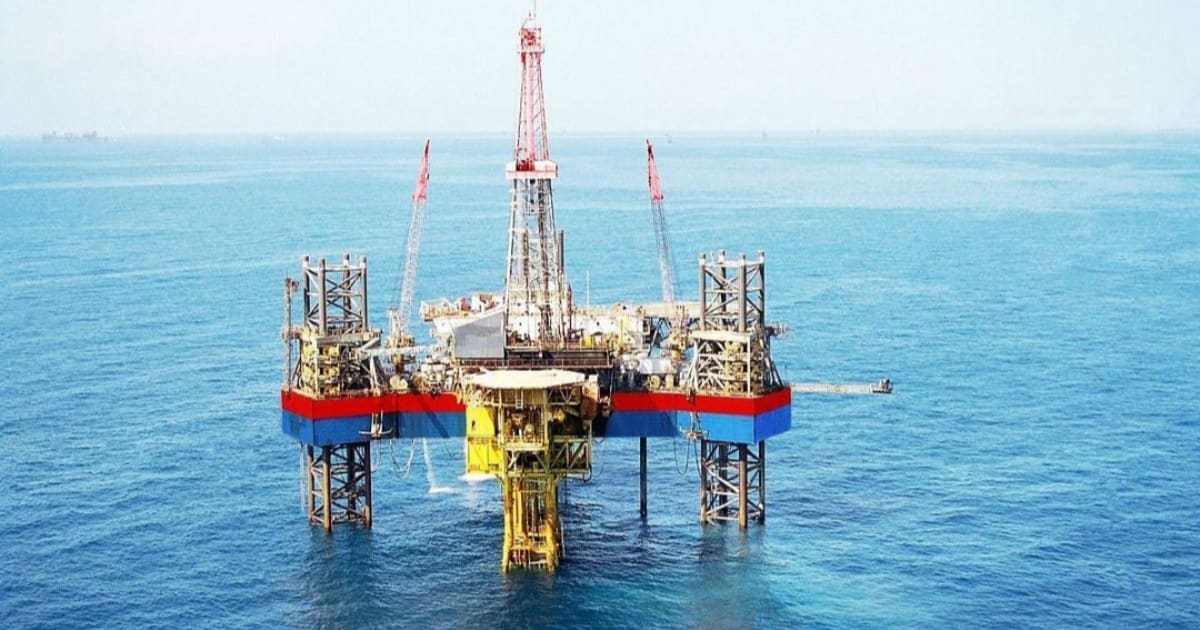
One of the biggest policy changes came in 2022, when the government opened nearly one million square kilometres of previously restricted offshore areas for exploration. Many of these regions had earlier been classified as "No-Go" zones due to strategic restrictions.
Their opening has significantly expanded India's exploration potential, especially in offshore basins such as the Andaman, Mahanadi and Krishna-Godavari regions.
The latest bidding rounds build upon these reforms by offering companies access to some of the country's most prospective unexplored acreage.
Can Domestic Production Really Reduce India's Import Dependence?
The short answer is yes—but not immediately.
Oil exploration is a long-cycle business.
From seismic surveys to commercial production, a successful project can take five to ten years, and deepwater discoveries often require even longer. However, each commercially viable discovery reduces future dependence on imports and strengthens India's energy resilience.
Domestic production also creates broader economic benefits:
Lower import bills.
Higher government royalties.
Increased employment.
Greater private investment.
Development of local oilfield services.
Technology transfer.
The government's objective is therefore not just to increase oil output but to build a stronger upstream ecosystem.
Global Energy Companies May Return To India
The combination of policy reforms, larger exploration blocks and improved contract structures could make India more attractive for international exploration companies. Deepwater and ultra-deepwater exploration, in particular, often requires specialised expertise possessed by global energy majors.
If bidding participation improves, India could see greater collaboration between Domestic public sector companies, Private Indian producers, International exploration firms and Oilfield service providers. Such partnerships could accelerate technology adoption while improving exploration success rates.
Companies such as BP, Shell, ExxonMobil, Chevron, TotalEnergies and Eni have historically shown interest in Indian upstream opportunities through partnerships or specific projects.
Exploration Is Only The First Step
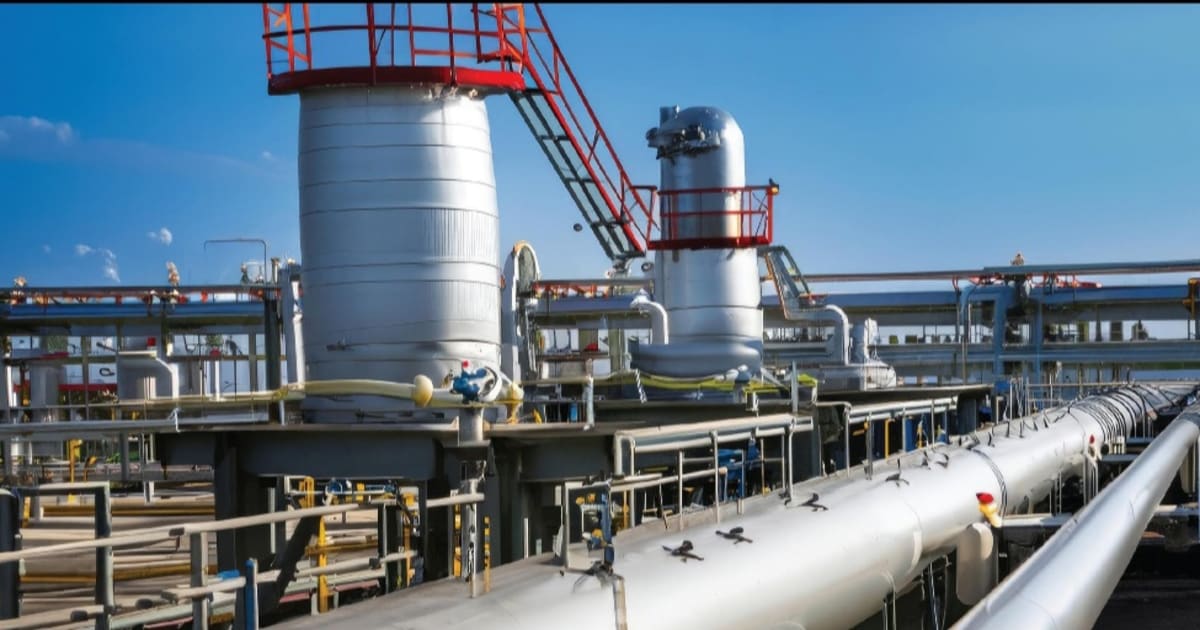
Winning exploration rights does not guarantee commercial success. Companies must still:
Conduct seismic surveys.
Drill exploratory wells.
Confirm hydrocarbon reserves.
Assess commercial viability.
Develop production infrastructure.
Only after these stages can oil or gas production begin. For investors, this means the exploration push should be viewed as a long-term structural opportunity rather than a short-term production catalyst.
Natural Gas Could Become An Even Bigger Story Than Oil
Although crude oil receives most attention, the government's long-term energy strategy increasingly focuses on natural gas. India aims to increase the share of natural gas in its energy mix from around 6% today to 15% over time. More domestic gas discoveries could support:
City gas distribution
Fertiliser production
Power generation
Industrial fuel
LNG substitution
This would reduce dependence on expensive imported LNG while improving energy affordability for industries.

The Energy Transition Does Not Eliminate The Need For Oil
Some may question whether large investments in oil exploration make sense when the world is transitioning towards cleaner energy. The answer lies in the pace of that transition. India is aggressively expanding Solar power, Wind energy, Green hydrogen, Electric vehicles and Battery storage.
Yet petroleum products will continue to play a crucial role in transport, aviation, petrochemicals, fertilisers and heavy industry for many years. Even under optimistic energy transition scenarios, oil and natural gas are expected to remain important components of India's energy mix over the next two decades.
Developing domestic resources therefore complements—not contradicts—the country's clean energy ambitions.
Investment Perspective: Which Companies Could Benefit?
From an investor's perspective, the government's exploration push creates opportunities for:
ONGC – Best positioned to secure additional acreage and leverage existing expertise.
Oil India – Opportunity to diversify production beyond legacy fields.
Vedanta Oil & Gas – Strong private-sector player with ambitious production targets.
Reliance & BP JV - Opportunity to expand and increase scale.
The Bottom Line
India's decision to open nearly 2.5 lakh square kilometres for oil and gas exploration reflects a clear strategic priority: reducing energy vulnerability while strengthening domestic production.
Although commercial discoveries will take years to materialise, the reforms signal a more investor-friendly approach to hydrocarbon exploration through larger acreage offerings, simplified licensing and expanded access to underexplored basins.
For companies such as ONGC, Oil India and Vedanta Oil & Gas, the programme offers fresh opportunities to expand reserves and production.
At the same time, oilfield service providers, engineering firms and gas infrastructure companies could also benefit as exploration activity gathers pace.
India may never become fully self-sufficient in crude oil, but increasing domestic production—even incrementally—can improve energy security, reduce import dependence and strengthen the economy over the long run.
The latest exploration drive is therefore not just another bidding round—it is a strategic investment in India's future energy resilience.