IndiGo Places Mega Engine Order with CFM and Ties Up with Honeywell for Next-Gen Avionics
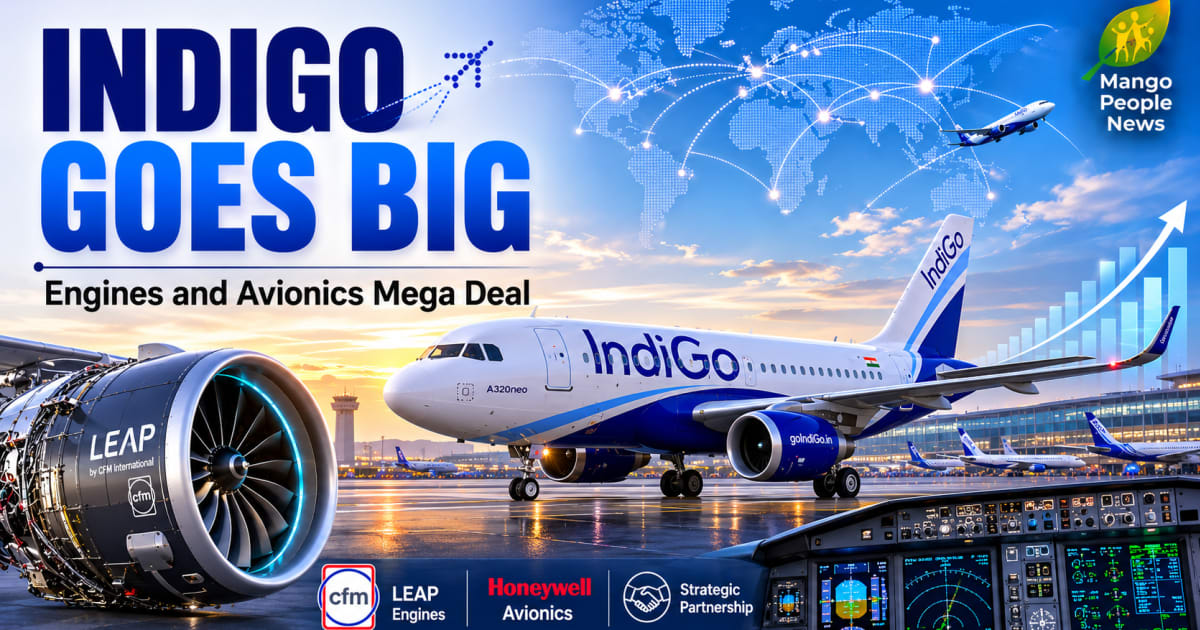
India’s largest airline, Indigo, is making one of its biggest technology bets yet. The carrier has placed an order for over 1,000 aircraft engines with CFM International and signed a major avionics deal with Honeywell for its next-generation fleet. Together, these moves signal a long-term push to expand capacity, improve operational efficiency and lock in support for decades of growth.
The engine order, worth tens of billions of dollars at list prices, is linked to IndiGo’s existing plan to induct more than 1,000 Airbus A320neo-family aircraft over the next decade. The Honeywell deal, meanwhile, covers advanced avionics and flight-deck technology for hundreds of new jets, including features like synthetic vision, electronic flight bags and integrated data systems.
For IndiGo, the twin announcements are not just about buying hardware. They are about securing a stable supply of engines in a tight global market, standardising technology across a massive fleet, and building a foundation for more efficient, data-driven operations.
The CFM Engine Order: Securing Power for 1,000 Jets
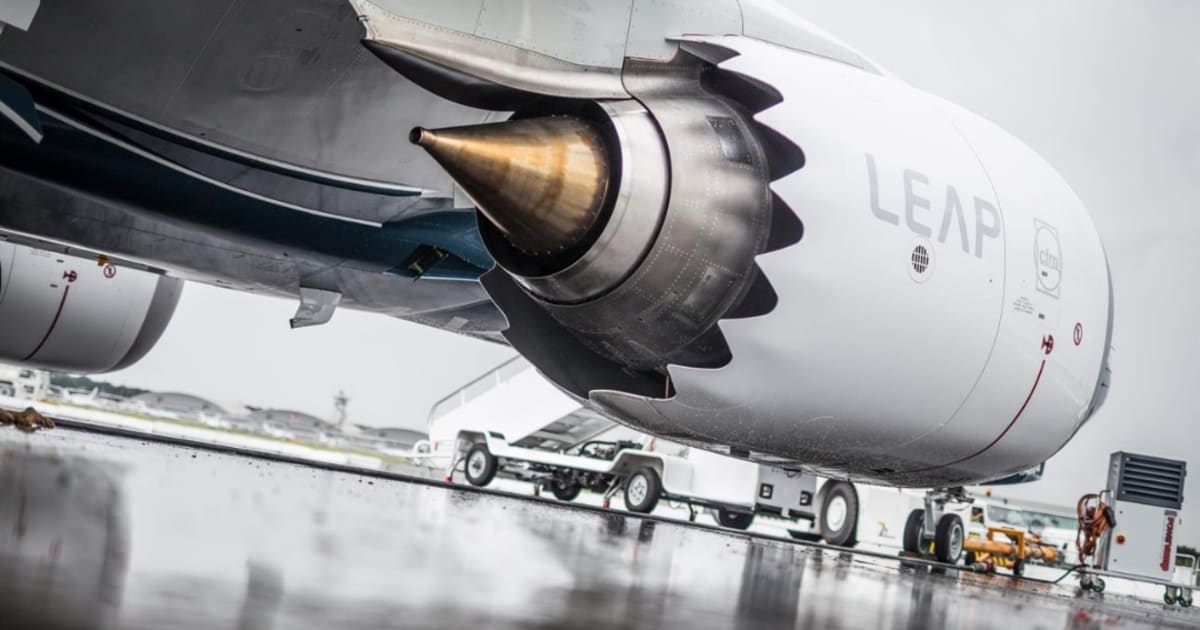
IndiGo’s order with CFM International focuses on LEAP-1A engines, which power the Airbus A320neo family. The airline has indicated that the deal covers propulsion for over 1,000 aircraft, making it one of the single-largest engine orders in Indian aviation history.
At list prices, each LEAP-1A engine is valued in the range of $12–15 million, which implies a total order value of roughly $24–30 billion before discounts. In practice, airlines negotiate significant confidential discounts, so the actual transaction value is lower, but the scale remains enormous.
The order is closely tied to IndiGo’s existing commitment for 1,000 Airbus A320neo-family jets, announced in 2023 and now being phased in over the coming years. Having already received several hundred A320neos, the airline is now locking in engines for the remainder of the programme, ensuring that supply chain constraints do not slow down its expansion.
Engine availability has been a key bottleneck for airlines globally since the pandemic. Maintenance bottlenecks, supply-chain issues and higher-than-expected shop visits have kept a portion of fleets grounded. By securing a long-term engine supply, IndiGo is reducing the risk of delays and cancellations as it scales up.
Honeywell Deal: Upgrading the Flight Deck and Digital Backbone
Alongside the engine order, IndiGo has signed a multi-year agreement with Honeywell for avionics and flight-deck systems. The deal is expected to cover several hundred new A320neo-family aircraft as they roll off the production line. Under the agreement, Honeywell will provide:
Integrated modular avionics architecture, which forms the digital backbone of the aircraft
Advanced flight management systems for more efficient routing and fuel planning
Synthetic vision systems that give pilots a computer-generated view of terrain and runways in low visibility
Electronic flight bag solutions that replace paper manuals and charts with tablets and digital tools
Data connectivity and monitoring systems that feed real-time information to airlines for predictive maintenance
These technologies are designed to reduce pilot workload, improve situational awareness and enable more efficient flight operations. For IndiGo, which runs one of the youngest and most standardised fleets in the world, this level of integration is critical. It allows the airline to train pilots on a common cockpit philosophy, streamline maintenance and extract more value from data.
Honeywell’s systems are already used on many A320neo-family jets globally, but the new deal expands IndiGo’s deployment and deepens the integration across its fleet. Over time, the data generated by these systems can help the airline optimise fuel burn, plan maintenance more accurately and improve on-time performance.
Why Engine and Avionics Deals Matter More Than Just Hardware
At first glance, these announcements look like routine procurement news. But in the context of India’s fast-growing aviation market, they carry strategic significance.
Supply security in a tight market
Global demand for narrowbody aircraft and engines has surged, while production capacity has struggled to keep pace. Airbus and Boeing have record backlogs, and engine makers are working to ramp up output. By placing a large, long-term order now, IndiGo is effectively reserving its place in the queue and reducing the risk of delivery slippages.
Standardisation and cost efficiency
IndiGo’s entire fleet is built around the Airbus A320 family, with a single engine type—the LEAP-1A. This standardisation simplifies pilot training, maintenance, spares planning and scheduling. Adding Honeywell’s integrated avionics across hundreds of jets further strengthens this model, creating a common technological baseline.
Fuel efficiency and emissions
The LEAP-1A engines offer double-digit fuel-burn improvements over earlier-generation engines, which directly lowers IndiGo’s biggest cost—fuel—and reduces carbon emissions per seat-kilometre. Combined with advanced flight management and synthetic vision, the airline can further optimise routes, approaches and taxiing, squeezing out additional savings.
Data-driven operations
Modern avionics and connected aircraft systems generate vast amounts of data. For IndiGo, this means better visibility into engine health, component wear and operational performance. Over time, predictive maintenance can reduce unscheduled groundings and improve aircraft utilisation, which is crucial for a low-cost carrier that relies on high daily flying hours.
India’s Aviation Boom: The Backdrop to IndiGo’s Mega Orders
IndiGo’s orders come against the backdrop of India becoming one of the world’s fastest-growing aviation markets. Passenger traffic has been rising at double-digit rates, driven by rising incomes, increased connectivity and competitive fares.
The government’s push on regional connectivity, airport infrastructure and maintenance, repair and overhaul (MRO) facilities has also created a more supportive ecosystem. New airports and terminals are coming up across the country, while policy changes aim to make India a global MRO hub.
In this environment, IndiGo is positioning itself as the primary beneficiary. It already commands more than half of India’s domestic market share and is expanding aggressively into international routes. The latest engine and avionics deals are enablers for that growth, ensuring that the airline has the capacity, technology and support to keep scaling.
Competitive Implications: How Rivals Are Likely to Respond
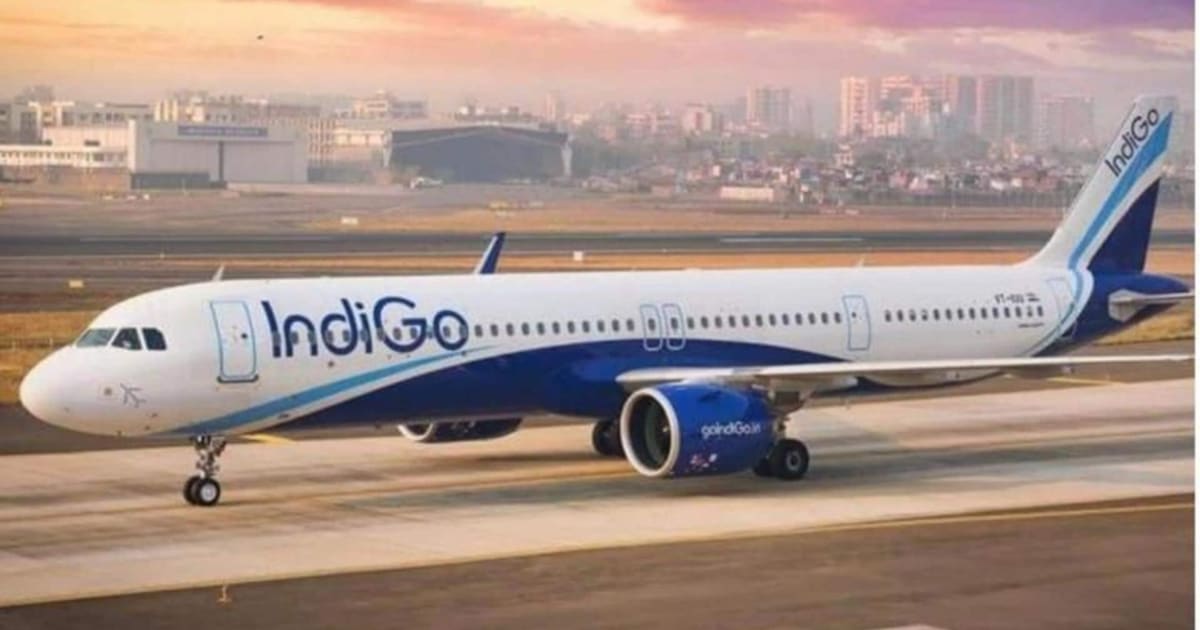
IndiGo’s scale and ordering power give it a significant advantage. Large, consolidated orders typically come with better pricing, priority delivery slots and stronger OEM support. Competitors such as Air India, Akasa Air and SpiceJet will be watching closely.
Air India, under its own transformation plan, has placed massive orders with Airbus and Boeing, along with engine deals for both narrowbody and widebody fleets. However, integrating multiple aircraft types and managing complex supply chains will be a challenge. IndiGo’s single-type, single-engine strategy remains a structural cost advantage.
For smaller carriers, the pressure is even greater. They may not be able to match IndiGo’s order size, but they will need to secure their own engine and technology support to remain competitive on reliability, fuel efficiency and operational costs.
Risks and Challenges: Execution, Supply Chain and Global Dynamics
Despite the strong strategic logic, there are risks that could affect how smoothly these plans unfold.
Production and delivery delays
Both Airbus and CFM have faced supply-chain constraints, including shortages of certain components and labour. If production ramps up more slowly than expected, IndiGo’s induction schedule could be impacted, even with a large order in place.
Maintenance and shop-visit issues
The LEAP engine family has seen higher-than-anticipated maintenance needs in some cases, leading to engines being grounded for longer periods. While IndiGo’s large order should help, it will still need robust MRO partnerships and inventory planning to manage this.
Geopolitical and currency risks
These deals are dollar-denominated and involve global supply chains. Currency fluctuations, trade restrictions or geopolitical tensions could affect costs and delivery timelines.
Competition for talent and infrastructure
As IndiGo expands, it will need more pilots, engineers, maintenance facilities and airport slots. India’s aviation ecosystem is growing, but scaling human resources and infrastructure in line with fleet growth is a continuous challenge.
What This Means for Passengers and the Broader Industry
For passengers, the long-term impact should be positive:
More capacity means more seats and potentially more competitive fares on key routes
Newer, more efficient aircraft can translate into better on-time performance and fewer technical disruptions
Advanced avionics and data systems can improve safety margins and operational reliability
For the broader industry, IndiGo’s moves reinforce several trends:
Consolidation of orders among large carriers to secure supply and pricing
Greater reliance on integrated technology platforms from a few key aerospace suppliers
Increased focus on fuel efficiency, data analytics and predictive maintenance as competitive levers
Outlook: A Decade-Long Roadmap for IndiGo’s Fleet
The engine and avionics deals are not one-off transactions; they are part of a decade-long roadmap. As IndiGo continues to induct new A320neos, these agreements will shape its cost structure, operational capabilities and technological edge.
Over the next five to ten years, expect IndiGo to:
Gradually expand its fleet toward the 1,000-jet mark, subject to market conditions and delivery schedules
Deepen its use of data from connected aircraft systems to drive maintenance, fuel and network decisions
Leverage its scale to negotiate further technology and support deals with OEMs and MRO providers
If executed well, these moves could cement IndiGo’s position not just as India’s largest airline, but as one of the most technologically advanced and operationally efficient carriers in the global narrowbody segment.

Nikunjj Jhawar is a Chartered Accountant (CA) and Chartered Financial Analyst (CFA) with nearly two decades of experience in the financial services industry. Having worked with global institutions such as HSBC and Credit Suisse in investment-related roles, he brings deep expertise in finance and markets. He is the Founder of mangopeoplenews.com, where he focuses on making complex topics in finance, markets and business accessible and relevant to everyday readers.

