

Vodafone Idea's ₹45,000 Crore Comeback Bet: Can Vi Challenge Jio And Airtel By FY29?

For most of the last decade, Vodafone Idea (Vi) has been seen as the weakest player in India's telecom market. Mounting debt, subscriber losses, AGR liabilities and delayed 5G rollout pushed the company into survival mode while rivals Reliance Jio and Bharti Airtel widened their lead.
Now, Vodafone Idea believes the worst may finally be behind it. Armed with a ₹45,000 crore network investment plan, fresh promoter funding, improving operating metrics and a clearly defined FY29 roadmap, the telecom operator is attempting one of the biggest corporate turnarounds in India's telecom history. Its management has shifted the narrative from balance-sheet repair to growth, setting ambitious targets that include tripling Cash EBITDA by FY29 and delivering double-digit annual revenue growth.
The question now is whether Vi can execute fast enough to close the gap with its larger rivals.
Why Vodafone Idea Is Betting Everything On The Next Three Years
Management believes FY27 to FY29 will determine the company's long-term future.
For years, Vodafone Idea's biggest disadvantage wasn't pricing—it was network quality. Limited capital expenditure meant slower 4G expansion and a delayed 5G rollout, resulting in millions of subscribers migrating to competitors.
The company is now attempting to reverse that trend through an aggressive investment programme. Its strategy rests on three pillars:
Rapid network expansion.
Better customer experience.
Growth in high-value subscribers.
Rather than trying to win back every lost customer, Vi plans to focus on users who consume more data and generate higher average revenue per user (ARPU). This approach mirrors the broader industry shift from subscriber growth to value creation.
Vodafone Idea's ₹45,000 Crore Capex Plan Is Central To The Turnaround
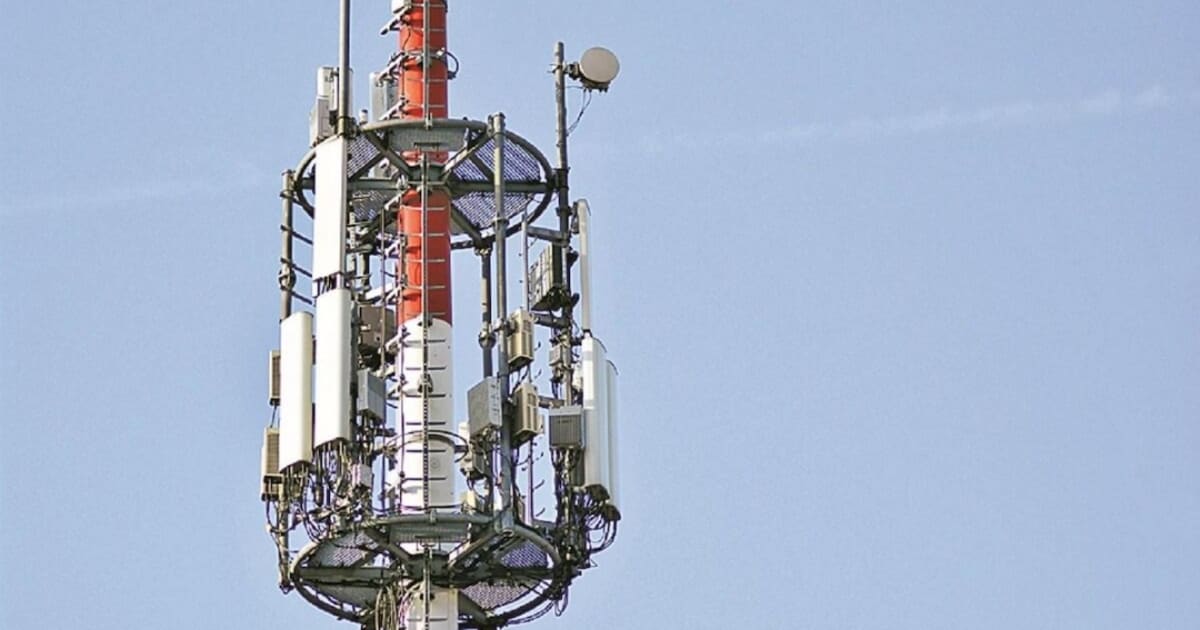
The biggest announcement in the company's latest investor presentation is its commitment to invest ₹45,000 crore over three years. The investment will primarily be directed towards:
Expanding 4G coverage.
Accelerating 5G rollout.
Modernising network infrastructure.
Increasing network capacity.
Improving indoor coverage.
Enhancing customer experience.
Instead of spreading investments evenly across India, Vodafone Idea is prioritising 17 key telecom circles, which account for the overwhelming majority of its revenues and data traffic. Achieving network parity in these circles is expected to be the foundation of its turnaround strategy.
The 17-5-5 Strategy: Vi's Roadmap To Recovery
A major feature of the latest strategy is the company's 17-5-5 framework. Rather than attempting nationwide expansion immediately, Vi is concentrating resources where they can generate the highest returns. The approach focuses on:
17 priority circles that contribute most of the company's revenue.
Rapid deployment of advanced 4G and 5G infrastructure.
Improving customer experience before pursuing aggressive subscriber additions.
This targeted strategy is designed to maximise returns on capital while improving competitiveness against Airtel and Jio in the markets that matter most.
Vodafone Idea's Financial Position Is Improving, But Challenges Remain
Although Vodafone Idea continues to carry one of the heaviest debt burdens in corporate India, operating performance has begun to stabilise. According to the latest disclosures:
FY26 revenue stood at ₹44,873 crore.
Average Revenue Per User (ARPU) increased to ₹190, reflecting tariff hikes and improving customer quality.
Cash EBITDA reached approximately ₹9,200 crore, providing the base for management's goal of tripling this figure by FY29.
The company expects cumulative Cash EBITDA of around ₹60,000 crore during FY27–FY29, which would support future spectrum payments and debt servicing.
Despite these improvements, the company still faces significant debt obligations and remains dependent on successful execution of its financing and investment plans.
Fresh Capital Has Changed The Narrative
One reason analysts are paying closer attention to Vodafone Idea is that funding uncertainty has eased compared with previous years.
Recent developments include:
Fresh equity infusion from the Aditya Birla Group.
Continued government support through equity conversion of dues.
Ongoing efforts to secure a large bank-led debt facility to finance network expansion.
Improvement in liquidity following regulatory relief and favourable court rulings.
Access to capital is crucial because telecom remains one of the most capital-intensive industries. Without sustained investment, network quality deteriorates quickly, leading to further subscriber losses.
Vi's FY29 Targets: Management Is Focusing On Profitability, Not Just Subscriber Growth
Unlike earlier years when telecom companies competed aggressively on subscriber additions, Vodafone Idea's latest strategy places greater emphasis on improving profitability and customer quality. According to its investor presentation, the company is targeting by FY29:
Double-digit annual revenue growth
3x increase in Cash EBITDA compared to current levels
Significant expansion in 4G population coverage
Commercial rollout of 5G across major markets
Higher Average Revenue Per User (ARPU)
Improved free cash flow generation after network investments
The management believes these objectives can be achieved by improving network quality first, rather than relying on deep price discounts.
ARPU Growth Could Become The Biggest Earnings Driver
For telecom operators, Average Revenue Per User (ARPU) is one of the most closely watched performance indicators.
Vodafone Idea has steadily improved ARPU through tariff hikes and a better subscriber mix.
Recent investor disclosures indicate ARPU has risen to around ₹190, but management believes there is considerable room for improvement. The company expects future ARPU growth to be driven by:
Industry-wide tariff increases.
Migration of 2G users to 4G.
Adoption of 5G premium plans.
Higher enterprise spending.
Increased data consumption.
Even modest increases in ARPU can significantly improve profitability because telecom networks have high operating leverage.
Enterprise Business Is Emerging As An Important Growth Vertical
While consumer mobility accounts for the majority of revenue, Vodafone Idea is increasingly focusing on enterprise customers.
Its B2B portfolio includes:
Secure connectivity solutions
Managed networking
Cloud services
IoT platforms
Machine-to-machine communication
SD-WAN solutions
Unified communications
Cybersecurity offerings
India's accelerating digital transformation is expected to increase demand for enterprise connectivity, allowing Vi to diversify beyond traditional retail subscribers.
Unlike consumer telecom, enterprise contracts typically generate higher margins and longer customer relationships.

Can Vodafone Idea Catch Up With Jio And Airtel?
The biggest challenge facing Vodafone Idea is not survival—it is relevance. Today, the Indian telecom market is dominated by:
Reliance Jio
Largest subscriber base.
Fastest 5G rollout.
Standalone 5G architecture.
Strong digital ecosystem.
Significant investment capacity.
Bharti Airtel
Premium customer base.
Industry-leading ARPU.
Extensive fibre network.
Strong enterprise business.
Rapid 5G deployment.
Compared with these competitors, Vodafone Idea still lags in several areas. Rather than trying to overtake its competitors immediately, Vi's strategy is to become a credible third player with improved network quality and sustainable profitability.
Government Ownership Has Changed The Company's Risk Profile
A major turning point came when the Government converted a significant portion of Vodafone Idea's deferred dues into equity. As a result, the Government of India has become the company's largest shareholder. This move:
Reduced immediate repayment pressure.
Improved investor confidence.
Enhanced lender comfort.
Increased the company's ability to raise additional capital.
However, it does not eliminate long-term liabilities. Vodafone Idea still carries substantial obligations related to:
AGR dues.
Spectrum payments.
Existing borrowings.
These commitments mean disciplined capital allocation will remain critical.
What Could Go Wrong? Key Risks Investors Should Watch
Despite improving sentiment, Vodafone Idea's turnaround remains far from guaranteed. Key risks include:
Delays in securing debt financing.
Slower-than-expected 5G rollout.
Continued subscriber losses.
Intense price competition.
Rising spectrum obligations.
Higher interest costs.
Execution risks on network expansion.
Slower industry tariff hikes.
In addition, Jio and Airtel continue to invest aggressively, meaning Vi cannot afford delays if it wants to remain competitive.
Can Vodafone Idea Really Deliver Its FY29 Turnaround?
The next three years will likely determine whether Vodafone Idea re-emerges as a strong telecom operator or remains a distant third player. There are reasons for cautious optimism.
Unlike previous turnaround attempts, the company now has:
A clearly articulated three-year strategy.
A defined ₹45,000 crore investment programme.
Improving operating cash flows.
Better tariff environment.
Government equity support.
Promoter commitment to fresh capital.
A sharper focus on high-value customers instead of chasing subscriber numbers.
However, execution remains the biggest variable.
Rolling out thousands of new telecom sites, deploying 5G, improving network quality and retaining premium subscribers—all while servicing a highly leveraged balance sheet—will require flawless execution.
What Should Investors Watch Over The Next Three Years?
For investors and industry observers, a few indicators will be critical in assessing whether the turnaround is on track:
Progress of the ₹45,000 crore capex programme.
Pace of 5G rollout.
Improvement in network quality metrics.
Growth in Average Revenue Per User (ARPU).
Subscriber additions, especially in the postpaid segment.
Cash EBITDA expansion.
Free cash flow generation.
Debt reduction and refinancing progress.
Consistent improvement across these parameters would provide stronger evidence that the turnaround is gaining momentum.
Vodafone Idea FY29 Outlook: The Bottom Line
Vodafone Idea's transformation plan is one of the most ambitious corporate recovery efforts currently underway in India. The company is no longer presenting itself as a telecom operator fighting for survival. Instead, it is positioning itself as a business investing heavily to regain competitiveness through better networks, disciplined capital allocation and a stronger focus on high-value customers.
The ₹45,000 crore investment plan, combined with targets of double-digit revenue growth and a threefold increase in Cash EBITDA by FY29, reflects management's confidence in the long-term opportunity.
Whether those ambitions are realised will ultimately depend on execution.
If Vodafone Idea succeeds in improving network quality, accelerating 5G deployment and strengthening its financial position, it could once again become a credible challenger in India's telecom industry. Failure to execute, however, would make it increasingly difficult to narrow the gap with Reliance Jio and Bharti Airtel.
For investors, FY27 to FY29 is likely to be the defining phase in Vodafone Idea's long journey back to growth.

Nikunjj Jhawar is a Chartered Accountant (CA) and Chartered Financial Analyst (CFA) with nearly two decades of experience in the financial services industry. Having worked with global institutions such as HSBC and Credit Suisse in investment-related roles, he brings deep expertise in finance and markets. He is the Founder of mangopeoplenews.com, where he focuses on making complex topics in finance, markets and business accessible and relevant to everyday readers.

