
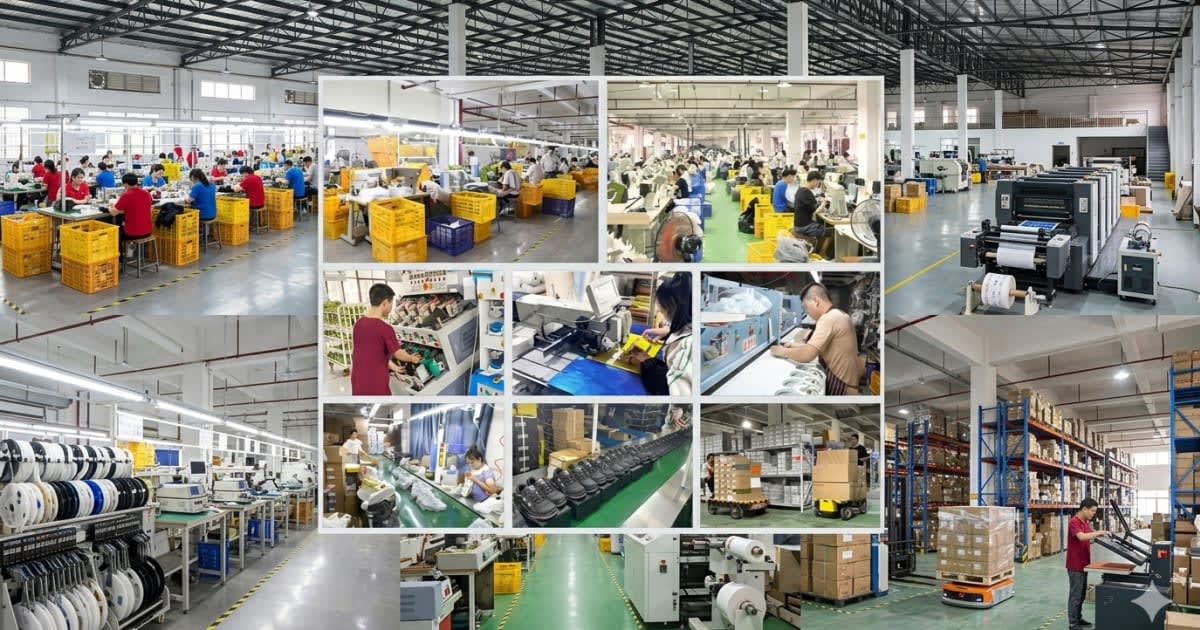
India’s footwear industry has the potential to become a global manufacturing powerhouse, but achieving that ambition will require more than low-cost labour and rising domestic demand. Industry experts believe the next phase of growth will depend heavily on the adoption of technical textiles—specialised materials that improve comfort, durability, performance, sustainability, and manufacturing efficiency.
As global buyers increasingly demand high-quality, lightweight, eco-friendly, and technologically advanced footwear, technical textiles are emerging as a critical input for the sector.
What Are Technical Textiles?
Unlike conventional textiles used mainly for appearance, technical textiles are designed for functional performance. In footwear, these materials are used in components such as:
Uppers and linings
Insoles and cushioning layers
Reinforcement fabrics
Breathable mesh structures
Water-resistant layers
Anti-microbial fabrics
Shock-absorbing materials
Laces, webbings and structural supports
These fabrics help shoes become lighter, stronger, more comfortable, and more durable.
Why It Matters for India’s Footwear Industry
India is already one of the world’s largest footwear producers and domestic consumption remains strong. However, to compete with countries such as China, Vietnam, and Indonesia in premium export markets, Indian manufacturers need to move up the value chain. Technical textiles can help in several ways:
1. Better Product Quality
Global brands demand shoes that meet high standards for:
Comfort
Durability
Breathability
Lightweight performance
Weather resistance
Advanced materials help Indian manufacturers meet these expectations.
2. Access to Sports and Performance Footwear
The fastest-growing categories globally include:
Running shoes
Outdoor footwear
Safety footwear
Athleisure sneakers
Hiking and trekking shoes
These categories rely heavily on engineered fabrics and performance materials.
3. Faster Manufacturing and Cost Efficiency
Modern textile-based footwear can reduce reliance on leather-intensive processes, simplify assembly, and improve scalability.
4. Sustainability Advantage
Many international buyers are shifting toward:
Recycled yarns
Bio-based materials
Water-efficient production
Lower-carbon inputs
Technical textiles are central to this transition.
Shift Beyond Traditional Leather Footwear
India has historically been strong in leather footwear, but consumer trends are changing rapidly. Demand is rising for:
Sports shoes
Casual sneakers
EVA and lightweight products
Fabric-based lifestyle footwear
Vegan and sustainable footwear
This shift means non-leather footwear could become a larger export opportunity in coming years.
Huge Export Opportunity for India
India’s footwear exports can grow significantly if manufacturers combine scale with technology.
Key advantages India already has:
Large workforce
Strong textile ecosystem
Growing synthetic fibre capacity
Domestic consumer market
Government manufacturing push
If these strengths are linked with technical textile innovation, India could capture a larger share of global sourcing demand.
Why Domestic Supply Chains Need Development
A major challenge is that many advanced footwear materials are still imported. This can create:
Higher costs
Longer lead times
Dependence on foreign suppliers
Limited product innovation speed
Developing domestic capacity in high performance fabrics, nonwovens, coated textiles, engineered meshes, and cushioning materials could improve competitiveness.
Government Policy Can Play a Big Role
India has already launched initiatives such as the National Technical Textiles Mission, aimed at boosting production, research, and exports in advanced textile segments.
If aligned with footwear manufacturing clusters, such programmes can accelerate sector growth. Possible support measures include:
R&D incentives
Testing labs and certification centres
Skill development
Cluster-based manufacturing parks
Export incentives for high-value footwear
Opportunity for Startups and New Manufacturers
Technical textiles also open doors for new-age Indian brands focused on:
Running and fitness footwear
Orthopedic footwear
Eco-friendly shoes
Safety shoes for industry
Fashion sneakers with advanced materials
This can create value beyond contract manufacturing.
Risks and Challenges
To unlock the opportunity, India must still address:
Imported raw material dependence
Limited design capabilities in some segments
Need for automation
Quality consistency issues
Competition from established Asian exporters
Without innovation, competing only on price may not be enough.
Outlook
Technical textiles may become one of the most important enablers of India’s footwear ambitions. The sector is no longer just about making shoes cheaply—it is about making better shoes for global markets.
If India successfully combines textile strength, manufacturing scale, and product innovation, it can emerge as a major player in premium, sports, and sustainable footwear worldwide.