
In an era dominated by burnout, screen fatigue, and rising health concerns, people are increasingly turning toward holistic practices that go beyond quick fixes. One such time-tested ritual gaining renewed attention is Abhyanga therapy—a cornerstone of Ayurveda that blends wellness, prevention, and self-care into a single daily practice.
But what exactly makes this ancient oil massage relevant in today’s lifestyle?
What is Abhyanga—and Why is it Trending Again?
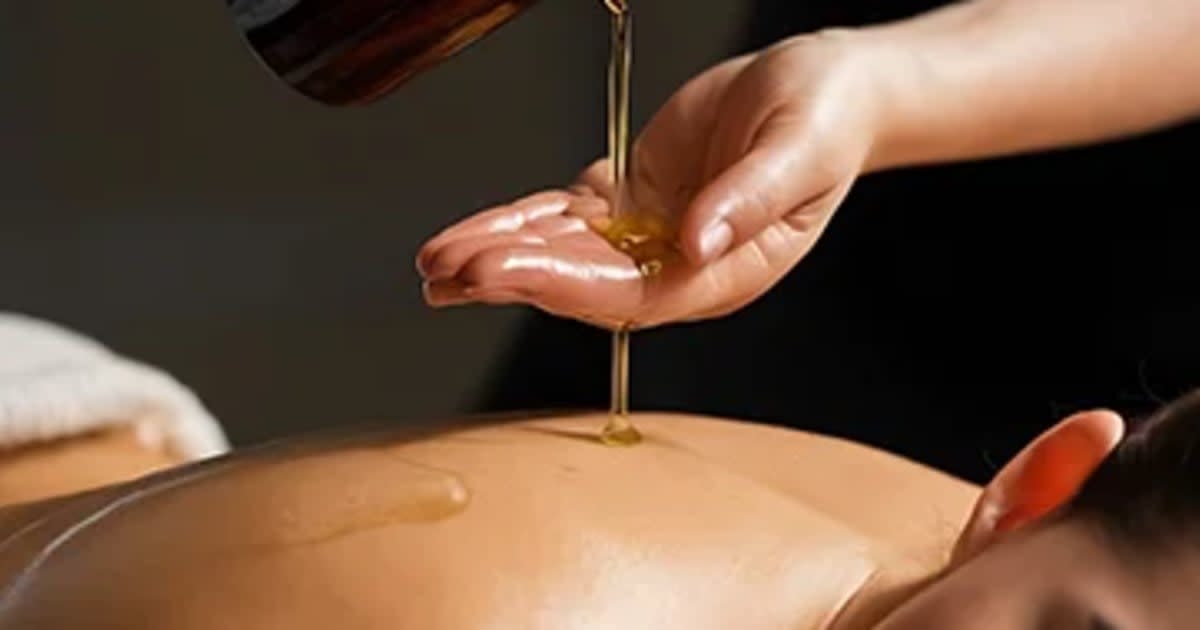
Abhyanga is a traditional Ayurvedic therapy that involves massaging the body with warm, herb-infused oils. Unlike spa massages focused purely on relaxation, Abhyanga is designed to restore internal balance, improve circulation, and support long-term health.
With growing awareness around preventive healthcare, mental well-being, and natural therapies, Abhyanga is finding its place not just in Ayurvedic clinics—but also in modern self-care routines.
The Science Meets Tradition Perspective
While Ayurveda has recommended Abhyanga for centuries, modern health conversations are now aligning with some of its core benefits:
Stress regulation: Oil massage activates the parasympathetic nervous system, helping the body shift into a relaxed state.
Improved circulation: Gentle pressure enhances blood flow and oxygen delivery
Skin barrier support: Oils help maintain hydration and protect against environmental stressors
Although more large-scale clinical research is still needed, early insights and user experiences suggest that Abhyanga can be a valuable complementary wellness practice.
Why It Fits Perfectly into Today’s Lifestyle
A Natural Stress Reliever
With anxiety and work pressure at an all-time high, Abhyanga offers a simple, screen-free way to unwind. Even a 15-minute routine can significantly calm the mind.
Supports Better Sleep
Many people struggling with poor sleep patterns report improved rest after incorporating oil massage into their nightly routine.
Encourages Preventive Health
Instead of reacting to illness, Abhyanga promotes regular body awareness—helping detect stiffness, fatigue, or imbalance early.
Skin and Body Care in One Step
In a world of multiple skincare products, Abhyanga offers a minimalist approach—nourishing skin while also benefiting muscles and joints.
Who Should Consider Abhyanga?
This therapy is especially useful for:
Professionals dealing with high stress and sedentary routines.
Individuals experiencing body stiffness or fatigue.
People exploring natural and preventive health practices.
Anyone looking to build a consistent self-care ritual
However, it should be avoided during acute illness, fever, or specific medical conditions unless advised by a practitioner.
How to Incorporate Abhyanga into a Busy Routine
One of the biggest myths is that Abhyanga is time-consuming. In reality, it can be easily adapted:
Use warm sesame or coconut oil
Focus on key areas like feet, hands, and shoulders if short on time
Practice before a shower, even if only for 10–15 minutes
Consistency matters more than duration.
Is It a Replacement for Medical Treatment?
No—and that’s important to understand.
Abhyanga is a supportive and preventive therapy, not a cure for diseases. It works best when combined with:
Medical guidance
Balanced nutrition
Regular physical activity
The Bigger Picture: Wellness as a Daily Ritual
What makes Abhyanga stand out is not just its physical benefits, but its philosophy. It encourages slowing down, being mindful, and reconnecting with the body—something increasingly missing in modern life.
Conclusion
As the line between traditional wisdom and modern wellness continues to blur, Abhyanga therapy stands out as a practice that is both timeless and practical. It doesn’t require expensive equipment or complex routines—just consistency and intention.
In a world searching for balance, Abhyanga offers a gentle reminder: sometimes, the most effective solutions are the simplest ones.


